
Material Grade
Confirm whether Aluminium6063 or Aluminium7075 better fits the strength, machining and finish expectations for the assembly.
Reaction plate / CNC machining route
For Precision machining suppliers comparisons, focus on the machining route behind the holes, threads and finish. This reaction plate from a CNC machining manufacturer uses aluminum 6063/7075, heat-treatment planning and finish machining for drawing-led assembly work.
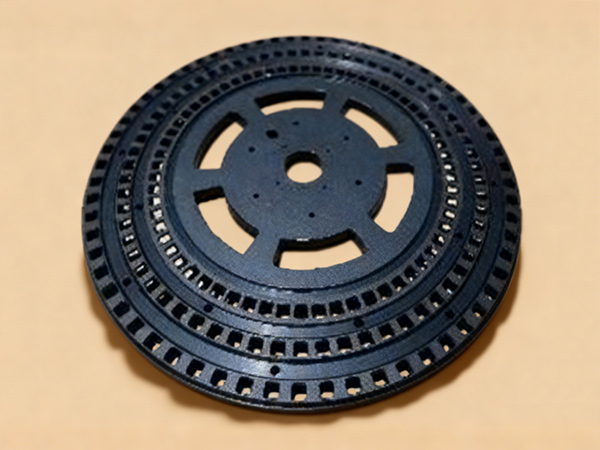
Machining Route Fit
| Product | Reaction Plate - Precision Machined Parts |
|---|---|
| Material | Aluminium6063 / Aluminium7075 |
| Equipment | 3-axis machining center, with MAZAK and DMG Mori named on the product page. |
| Machining sequence | Rough machining leaves allowance first; heat treatment follows the aluminum grade; finish machining then completes precision holes and threaded holes to drawing requirements. |
| Inspection | Zeiss 3D equipment, plug gauges and thread gauges support dimensional review. |
| Surface treatment | Sandblasting clear anodizing, sandblasting black anodizing, hard anodizing and nickel plating. |
| Heat treatment | Annealing is listed for internal-stress removal. |
| Processing cycle | 5-15 days, subject to drawing, finish and project details. |
Drawing Review Path
Reaction plates often sit inside modular assemblies, so the useful conversation is less about a single photo and more about how the machined surfaces, hole features and finish will behave in the surrounding system.
Confirm whether Aluminium6063 or Aluminium7075 better fits the strength, machining and finish expectations for the assembly.
Mark precision holes, threaded holes, datum references and any features that need close review after finishing.
Connect annealing, anodizing or nickel plating choices to the part environment, appearance and wear expectations.
Identify bolting zones, contact faces and load paths so the machining plan supports stable integration.
Related Precision Components
Use these product families when your drawing package includes chambers, flanges, SEMI assemblies or robotic structures alongside reaction plates.
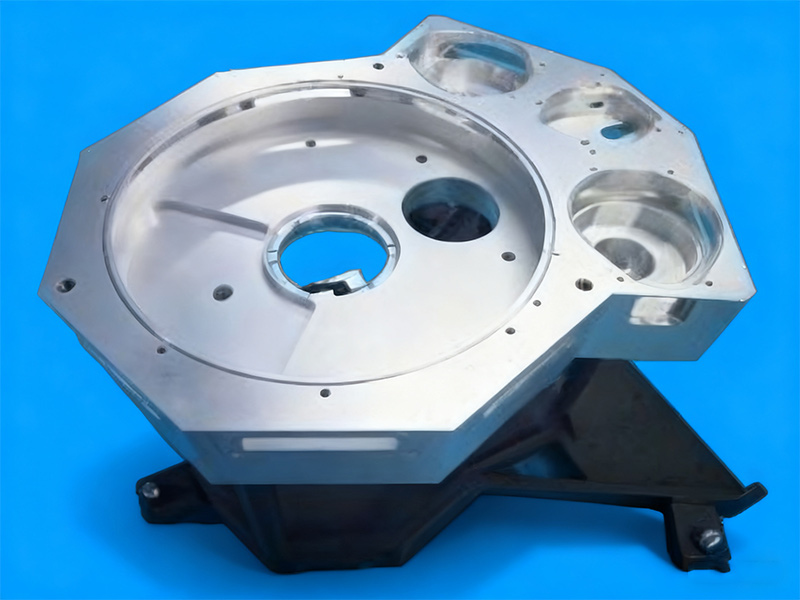
For chamber-style SEMI components requiring aluminum, stainless steel or copper material planning.
View product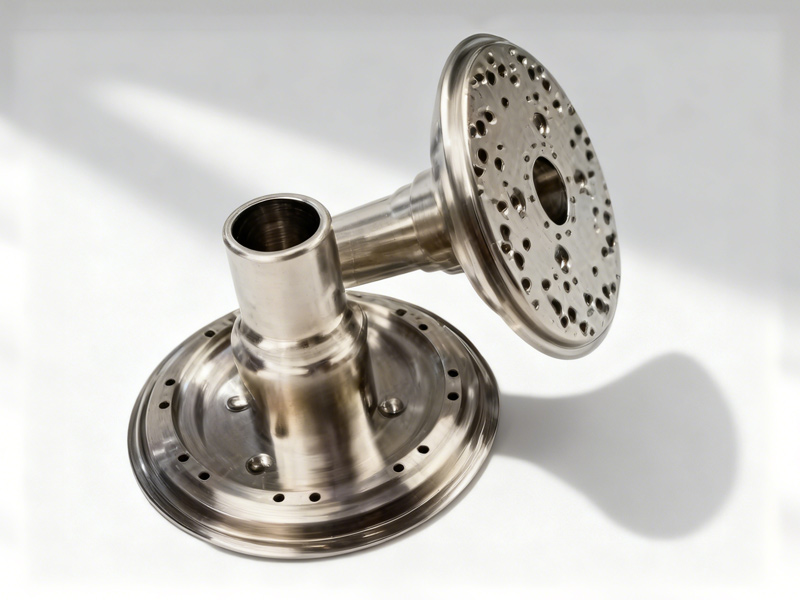
For custom SEMI parts where fixtures, holes and threaded features need repeatable location control.
View product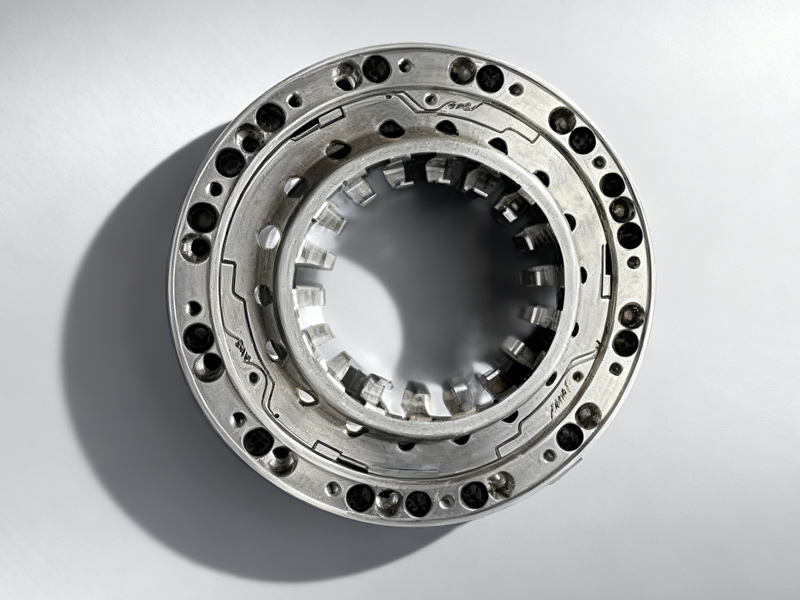
For flange assemblies where 7075 aluminum or 316L steel choices affect stability and finish planning.
View product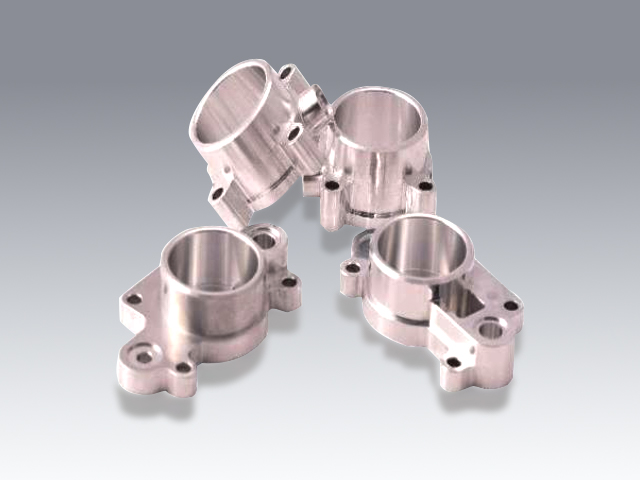
For robotic assemblies using Aluminum 7075 and drawing-led machining of connection features.
View productRelated Reading
These Suntontop articles help connect reaction plate decisions with automation alignment, prototype fit and load-distribution stability.
Clarify how aluminum 6063/7075 parts, dimensional accuracy and 3D metrology support modular automation integration.
Read moreReview material selection, heat treatment and tolerance conversations before a prototype drawing moves toward production.
Read moreConnect reaction plate geometry, load paths and assembly stability with the machined features that need attention.
Read moreReaction Plate FAQ
Available material options are Aluminium6063 and Aluminium7075. Choose the grade with your engineering team based on strength, machining response, finish expectations and assembly conditions.
The route starts with rough machining while leaving allowance, then applies heat treatment based on the aluminum grade, and finishes precision holes and threaded holes to drawing requirements.
Share material grade, hole and thread requirements, datum references, surface treatment, visible load areas, assembly interfaces and any inspection points that must be checked before production.
Available treatments include sandblasting clear anodizing, sandblasting black anodizing, hard anodizing and nickel plating. Select the finish after confirming appearance, wear and corrosion needs.
The page lists Zeiss 3D equipment, plug gauges and thread gauges. These checks support dimensional review of precision holes, threaded holes and drawing-critical features.
Open the product page for current product details, then use the Suntontop contact path to send drawings, material needs, finish preferences and project timing.